Hazmat Spill Response Services and What Each Includes
Spills differ by what leaked and where it went. The four services below explain who each one serves, what the crew does, and what records should come with the finished job.
Send a short message to the follow-up inbox. A coordinator can reply by email. This form does not send emergency help; call 911 first if anyone is in danger.
Why the product and the place both matter
A gallon of gasoline on a sealed shop floor, a gallon in a storm drain, and a gallon in a garden bed are three different jobs. Hard, sealed surfaces are easiest. Gravel and soil let product sink in. Drains and waterways carry it far away and may bring reporting rules into play.
The product shapes the plan just as much. Fuels catch fire easily. Acids and bases burn skin and react with other chemicals. Some products give off vapors that collect in basements and low spots. The right service depends on both what spilled and where it ended up.
The services, one by one
Chemical Spill Response
Who it is for: Shops, warehouses, schools, labs, farms and landlords after a known chemical such as a cleaner, solvent, acid or pool chemical spills.
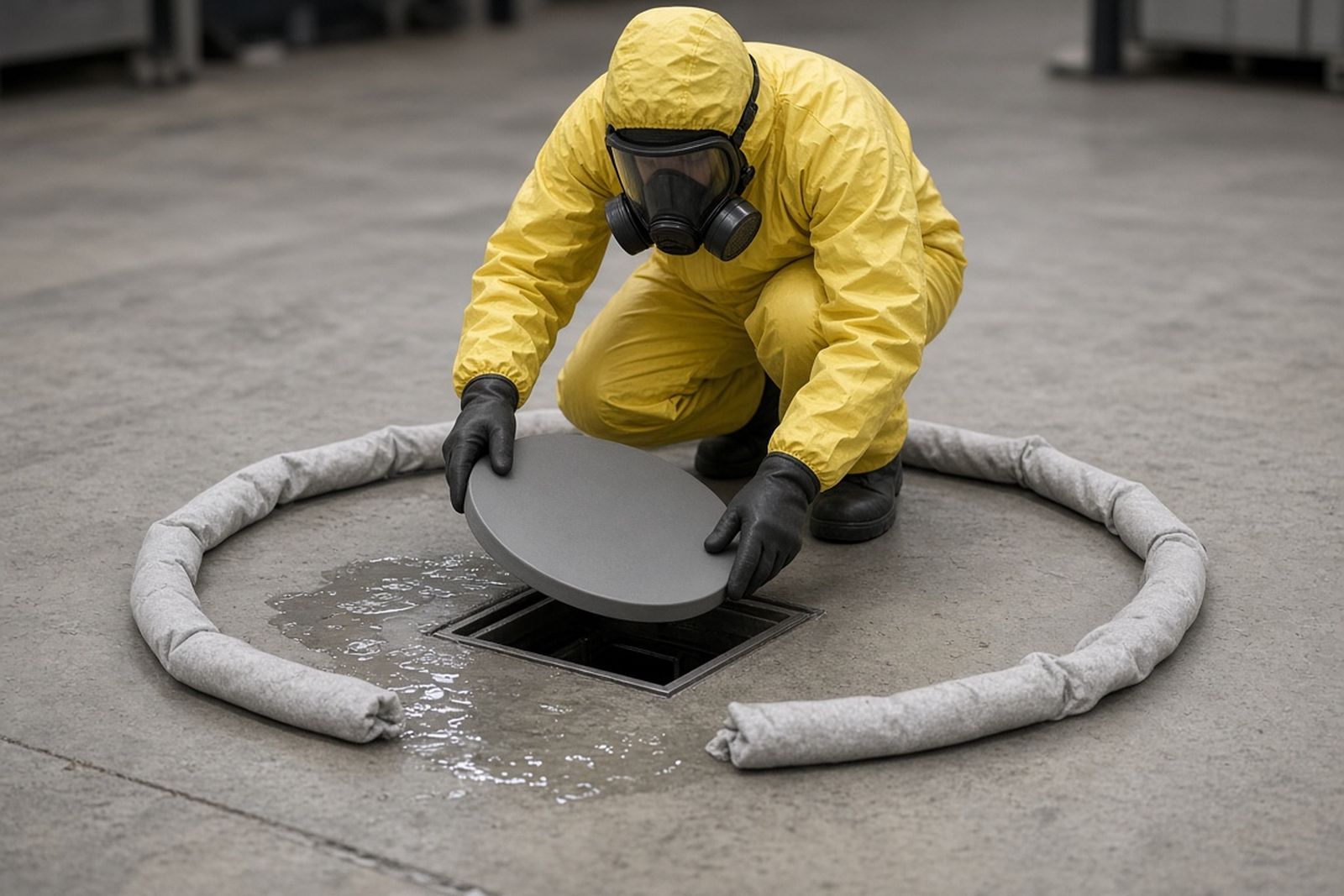
The crew reads the safety data sheet, sets a safe zone, and checks the air. They cover drains and contain the spill with absorbents chosen for that chemical. Product is recovered, and surfaces are cleaned and rinsed while the rinse water is collected. Tools and protective gear are cleaned before the crew leaves.
What you should get: A written summary of the work, air readings if any were taken, and waste disposal records to keep for inspectors.
Fuel & Oil Spill Cleanup
Who it is for: Gas stations, fleet yards, farms, marinas and homeowners with oil tanks after gasoline, diesel, motor oil or heating oil leaks.
Anything that could spark is shut off or moved away first. Floating barriers and pads keep fuel out of drains and water. Pooled fuel is pumped or soaked up, and oily film is scrubbed off concrete and asphalt. Soil that took up fuel may be dug out and tested.
What you should get: Records of how much product was recovered and removed, disposal paperwork, and soil test results if samples were taken.
Unknown Substance Response
Who it is for: Owners and managers who find an unlabeled drum, a mystery puddle, or abandoned containers on their property.
The crew treats the material as dangerous until they learn otherwise. They use meters and simple field tests, and may send a sample to a lab. The spill is contained without adding any other product. Cleanup begins only once the material is identified or an expert gives direction.
What you should get: Test results, a record of each decision made, and disposal papers that name the material once it is known.
Transportation Incident Response
Who it is for: Trucking companies, delivery fleets, and owners of land where a vehicle spilled its load or its fuel.
The crew works under the fire or police commander in charge of the scene. They read the truck's signs and shipping papers to learn what spilled, then protect drains and ditches. Product is recovered and any remaining load is moved into safe containers. Equipment is cleaned before it leaves the scene.
What you should get: A report the carrier, the landowner and each insurer can use, with waste records attached.
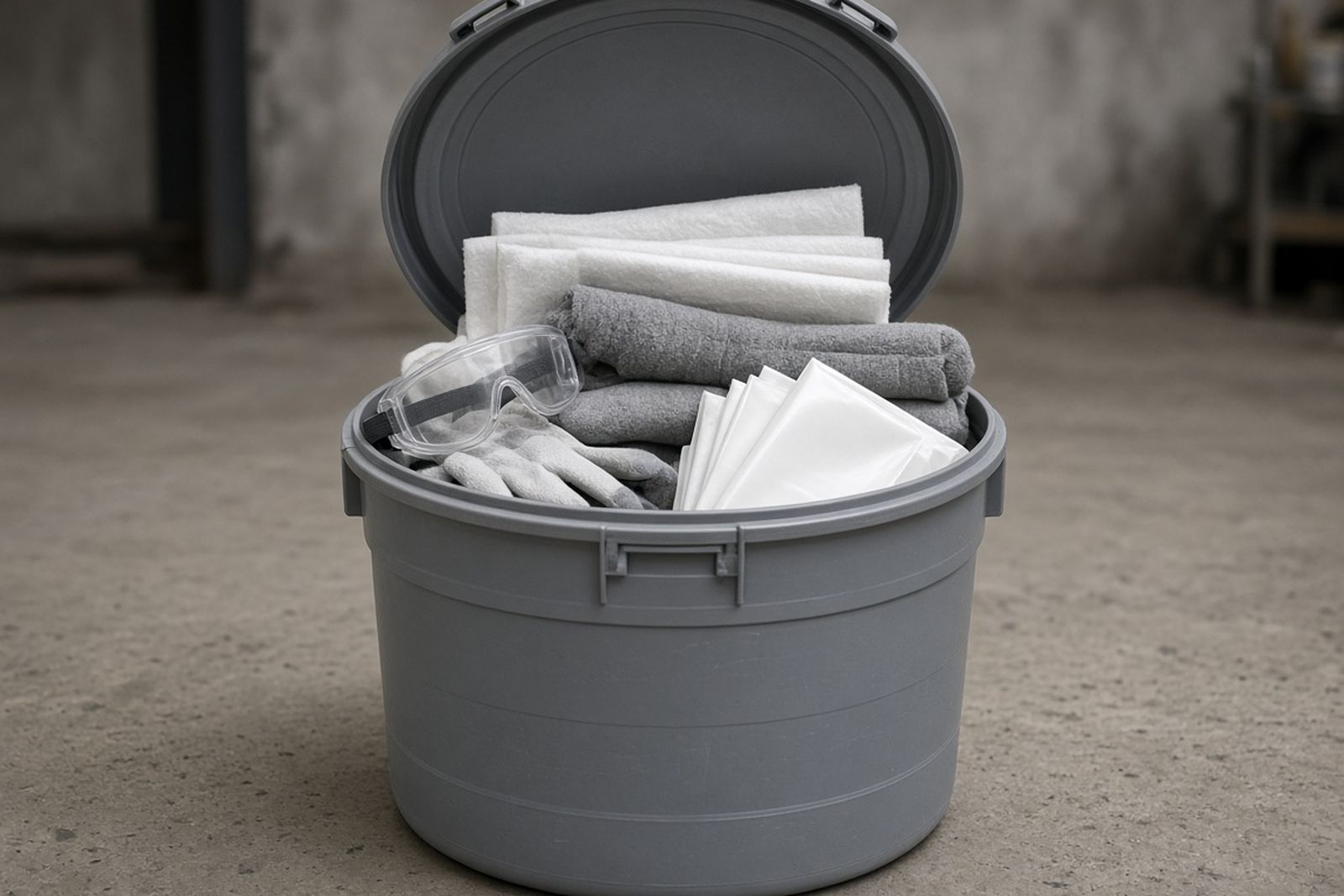
Illustrative photo, not a job record. Open spill kit drum holding absorbent pads, goggles, gloves and disposal bags.Illustrative photo, not a job record. Sealed waste drum with a blank tag on a clean floor as safety cones are picked up.
Hazmat Spill Response in numbers
89%
89% in affected counties heard of the spill on the day it occurred.
Read with care: Self-reported behaviour; event-specific communications.
Source: Savoia et al. (2015)690 West Virginia adults surveyed online in February 2014, including affected and unaffected areas.
36.5%
36.5% overall sought medical care for odor-related symptoms.
Read with care: Reported symptoms and odor; not measured individual exposure doses.
Source: Behbod et al. (2014)204 household representatives surveyed in two distance zones, September 2012.
10,000 more filings
PHMSA received about 10,000 more hazmat incident filings in 2022 than in prior years after moving to electronic reporting.
Read with care: Reflects reporting changes as much as real incident growth.
These figures are public research and agency data, not this network's own job records. Keep each number with its population, year and limits; none of them predicts cost, timing or outcome at a specific property.
What spill response does not cover
Fighting fires or rescuing people. The fire department handles that, so call 911 first.
Deciding whether you must report, or dealing with fines. Your state environmental agency and a lawyer can advise you.
Rebuilding floors, walls or landscaping that had to be removed. A general contractor or landscaper handles repairs.
Long-term groundwater cleanup. An environmental consulting firm usually plans that work under state oversight.
Medical care after someone was exposed. A doctor, urgent care or emergency room handles that.
After the spill crew leaves
You may notice a faint fuel or chemical smell for several days, most often in basements or when the day warms up. Keep the area aired out. If the smell gets stronger, or people get headaches or sore eyes, leave and call the company or the fire department. Replace flooring, soil or plants only after the cleanup company says the area is clear.
Keep the final report, waste records and any agency report numbers together, since a buyer, lender or inspector may ask for them years later. Restock your spill kit and talk through what went well. If a drain or storage spot let the spill spread, fix that before the next delivery arrives.
Findings from published studies of people and properties in situations like this one. They describe what researchers observed in a specific group; they are not predictions for your case.
Every count is a real visitor vote; nothing is seeded or padded. One vote per poll per device, and you can change your answer.
Safety
How prepared is your site for a chemical or fuel spill right now?
No visitor votes yet
Your experience
In your most recent spill, what was the first action taken?
No visitor votes yet
Cost
Which part of spill response cost more than you expected?
No visitor votes yet
Before you hire: hazmat spill response questions
Can a spill company help on a farm or rural property?▼
Yes, though distance and rough access can add travel time and cost. Farm spills often involve fuel, pesticides or fertilizer. The product label lists first aid and cleanup steps, so keep it handy. Your state agriculture department may have its own reporting rules for pesticide spills, especially near wells, ponds or streams.
What is the safe zone, and why can't I cross it?▼
The crew marks off the spill area and a separate spot where people and tools are cleaned on the way out. Crossing the line without protective gear can expose you to vapors or carry the product out on your shoes. It can also spread contamination to clean areas. Stay outside the tape and ask the crew lead if you need something.
Do we need soil testing after a fuel spill?▼
Often, yes, when fuel reached dirt or gravel. Tests show whether enough was dug out or whether some remains below. Your state may set the levels that count as clean and may ask to see the results. Even when testing is not required, the results can help if you sell the property or file a claim later.
Can the crew clean up a spill in a building people are still using?▼
Sometimes. It depends on the product and whether vapors can travel. The crew may close off part of the building, shut down the heating and cooling system, and set up fans to push air outside. People may need to leave the floor or the whole building for a while. Ask the crew for a clear plan before work starts.
What happens to the truck and its load after a road spill?▼
Once the scene is safe, a tow company moves the truck. Any load still on board may be moved into new containers or another truck first. The carrier and its insurer usually arrange this with the cleanup company. Damaged road surfaces, guardrails or ditches may need separate repairs by the road owner.
Why did the crew bring so much gear for a small spill?▼
Until they confirm what spilled and read the air, crews plan for the worst case that fits the facts. Breathing gear, suits and meters may not all get used, but they need to be ready if readings rise. Ask how the gear shows up on your bill, since some companies charge for equipment brought to the site.
What if someone mixed two cleaning or pool chemicals by mistake?▼
Some mixes, such as bleach with acids or ammonia, make a gas that harms the lungs. Leave the room, close the door behind you, and get to fresh air. Don't go back in to open windows. Call 911 if anyone is coughing or short of breath, and call Poison Control for advice about symptoms.